Catering
Designing a menu that honors the elders at table 3
Caterers on how to braid banquet traditions into a tasting menu.
Spring 2026 · 7 min read
Every multicultural wedding menu eventually faces the same question: do we serve a Western plated dinner with a token Asian course, or a Chinese banquet with a token Western course, or something that honors both without feeling like a buffet?
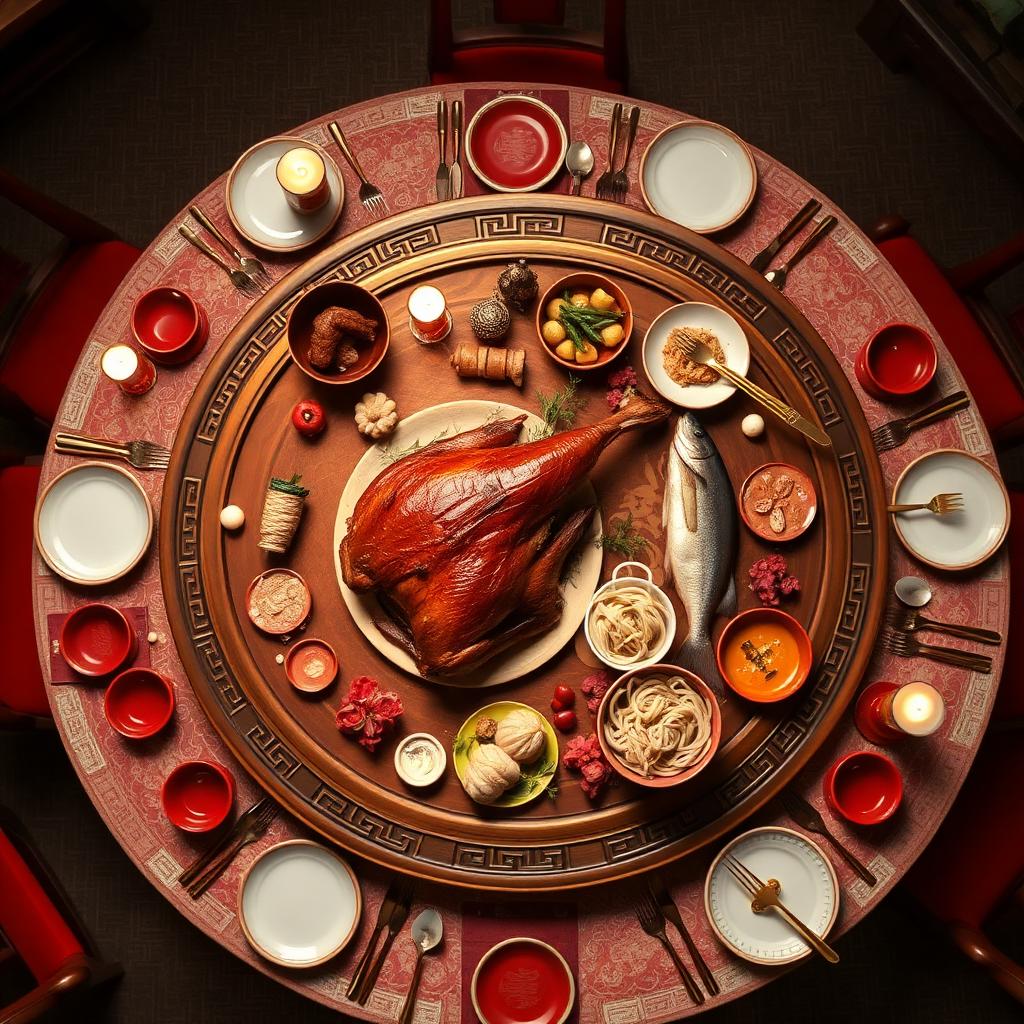
The answer most caterers we trust have settled on is the hybrid family-style menu. Plated first course, family-style shared mains down the center of the table, and a passed-tray dessert hour. It moves like a Western dinner, eats like a banquet, and the elders at table 3 recognize what is being served.
Non-negotiables on the Chinese side: a whole steamed fish (the symbolism doesn't survive being filleted), longevity noodles served late so they're hot, and a soup course. On the Indian side: a vegetarian main that is not an afterthought, and a paneer dish for the kids.
Talk to your caterer about plating ratios. A ten-person round table needs ten percent more of every shared dish than a hotel banquet calculator suggests, because guests serve themselves and the first three plates tend to be generous.
Save the wedding cake for dessert hour. Cutting it during dinner interrupts the flow and steals attention from the meal. A small tasting plate of Asian desserts — egg tart, mango pudding, gulab jamun — alongside the cake honors the same instinct without the awkward pause.