Traditions
A modern guide to the tea ceremony
How to honor the ritual without losing the morning to logistics.
Spring 2026 · 8 min read
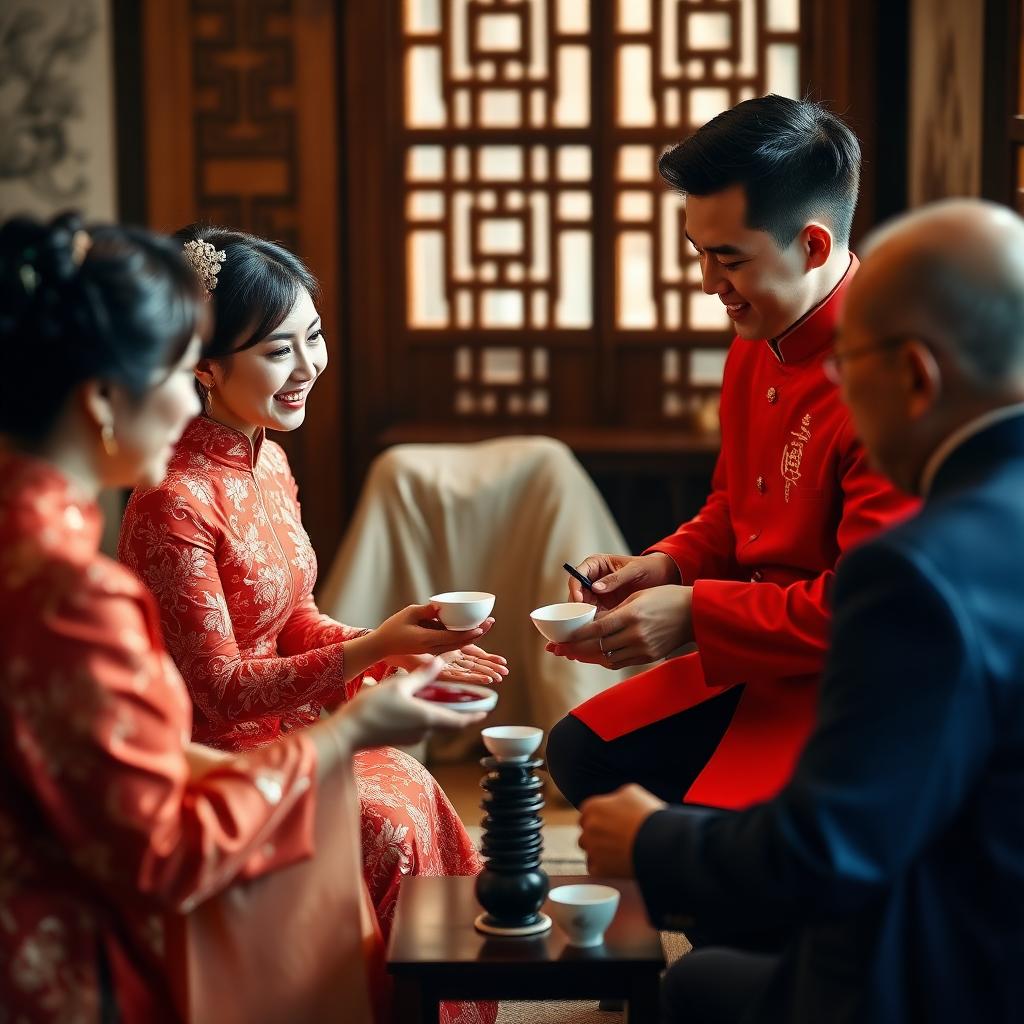
The tea ceremony is the part of the day most couples remember most clearly — and the part most likely to run long. The ritual itself is short. The choreography around it, less so. Done well, it is the quiet hour that anchors everything that follows.
Begin with seating order. Elders are served in pairs, by generation, starting with the groom's paternal grandparents. Write the order on an index card and give it to whoever is calling names. Improvising in the moment is how a forty-minute ceremony becomes ninety.
Use two tea sets, not one. While the couple is serving one pair, an aunt or coordinator can be rinsing and re-steeping the next. A small electric kettle on a side table — out of frame — saves the ritual from going cold between rounds.
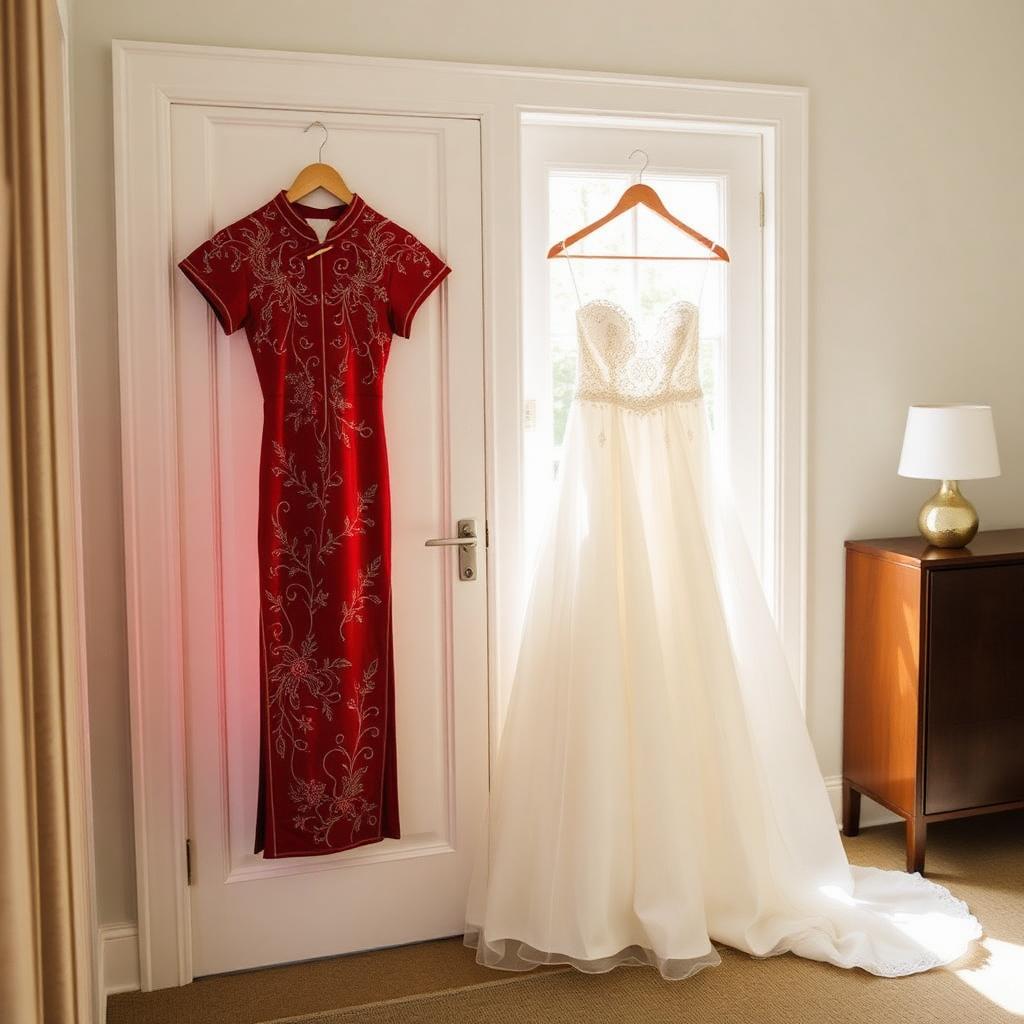
On wardrobe: a qipao or cheongsam with a side zip beats one with frog closures when you have twelve cups to pour. Save the heavily structured piece for portraits afterward. Give yourself permission to change.
The gifts elders place on the tea tray — jewelry, red envelopes, sometimes a deed — are often the only true heirlooms a couple receives. Designate one trusted person to gather them into a single box the moment the ceremony ends. Do not leave it to the bride.
Finally, build in fifteen minutes of nothing after the last cup. No photos, no transitions. The ritual deserves a breath before the day picks up speed again.